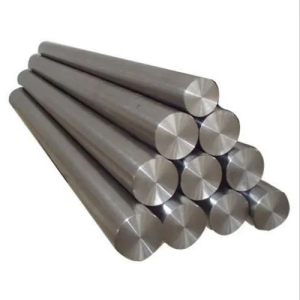
Flanges are vital components in the piping industry to connect various pipes and valves. However, the type of flange used significantly impacts the system’s durability, performance, and overall efficiency. Two popular flange types in the market today are Inconel 600 and Inconel 601 flanges. While these two may seem similar, there are significant differences between them. This blog will discuss the differences between Inconel 600 flanges and Inconel 601 flanges to help you make an informed decision.
What is Inconel 600 Flanges and Inconel 601 Flanges?
Inconel 600 and 601 flanges are two types of high-temperature, corrosion-resistant nickel alloys used in many industries ranging from aerospace to chemical processing. They are known for their strong resistance to thermal fatigue and post-weld-heat treatment cracking in hostile environments, making them highly sought-after materials. Inconel 600 flanges contain chromium, providing exceptional oxidation and corrosion resistance even at elevated temperatures. In comparison, Inconel 601 flanges contain a higher amount of aluminium, improving creep strength and heat resistance, making them perfect for applications requiring frequent temperature cycling. Both grades have excellent weld ability characteristics, allowing professional engineers to easily create complex tube joints. This versatility makes these materials the go-to choice when designing reliable components where high-temperature fluid flow is essential.
Difference Between Inconel 600 Flanges vs Inconel 601 Flanges
1) Composition
Inconel 600 and Inconel 601 are nickel-chromium alloys, which means they resist high temperatures and corrosion. However, Inconel 600 has a slightly higher nickel content than Inconel 601, making it a more robust material. Inconel 601, on the other hand, has aluminium in its composition, which enhances its oxidation resistance compared to Inconel 600.
2) Temperature resistance
One of the primary purposes of using Inconel flanges is their ability to withstand high temperatures. Inconel 600 can withstand temperatures as high as 2000°F, making it suitable for most high-temperature applications. In contrast, Inconel 601 can withstand temperatures as high as 2250°F, making it ideal for more demanding applications such as furnace piping and petrochemical processing.
3) Corrosion resistance
Both Inconel 600 and Inconel 601 are highly resistant to corrosion. However, Inconel 601 has better resistance to aqueous corrosion, making it an excellent material for applications that require constant exposure to harsh chemicals and acidic solutions. Inconel 600, on the other hand, is a more cost-effective option for areas that are not exposed to such harsh conditions.
4) Applications
Inconel 600 flanges are commonly used in heat exchangers, chemical processing, and aerospace engineering applications. In contrast, Inconel 601 flanges are used in more demanding applications such as furnace piping, petrochemical processing, and waste incineration. Therefore, the type of application you are using will determine which flange type best suits your needs.
5) Price
Inconel 600 and 601 flanges are specialized fittings in high-temperature, high-pressure applications. They’re made of an alloy of nickel and chromium that’s corrosion-resistant even at extreme temperatures. The price for these flanges depends on their size, type, quality, and the vendor you purchase them from. Typically, you can expect prices ranging anywhere from $20-$500 per flange, depending on the size and type of design you need. Generally, it’ll be more expensive if the design needs to adhere to a certain standard or is custom designed for your specific application. Ultimately, it all comes down to what best fits your budget while providing the necessary specifications for your application environment.
Regarding cost, Inconel 600 flanges are cheaper than Inconel 601 flanges. However, the cost difference may be negligible, depending on the size and the number of flanges needed. Therefore, it’s essential to consider other factors, such as the application’s demands, before deciding based solely on the cost.
Conclusion
In conclusion, choosing between Inconel 600 flanges and Inconel 601 flanges boils down to the project’s needs. While Inconel 600 flanges are more cost-effective, Inconel 601 flanges are better suited for more demanding applications that require high-temperature and chemical resistance. By considering factors such as composition, temperature resistance, corrosion resistance, applications, and cost, you can determine which flange type best fits your piping system. Always consult with experts in the industry who can provide valuable advice before making a final decision.