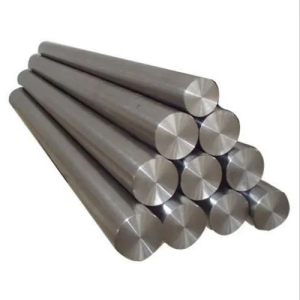
Copper-nickel alloys are used extensively in industries that need corrosion-resistant and tough materials. Among these, CU 90/10 BARS and CU 70/30 BARS are the most widely used compositions. Both alloys have very good mechanical properties, seawater corrosion resistance, and thermal stability and are best suited for numerous industrial applications. In this blog, we will discuss each of these alloys separately and then compare them to know about their differences.
What is CU 90/10 BARS?
CU 90/10 BARS are made of 90% copper and 10% nickel. They also have small amounts of iron and manganese. These additions help improve their corrosion resistance. The alloy resists biofouling well, so it’s widely used in marine settings. It has great thermal conductivity and weldability. It is commonly used in seawater piping, heat exchangers, and condensers.
Key Properties of CU 90/10 BARS:
- Corrosion Resistance: Exceptional resistance to seawater and biofouling.
- Mechanical Strength: Moderate strength with good formability.
- Thermal Conductivity: Greater than CU 70/30 BARS, making it ideal for heat exchangers.
- Weldability: Good weldability without the need for post-weld heat treatment.
What is CU 70/30 BARS?
CU 70/30 BARS are composed of 70% copper and 30% nickel. They have greater nickel content than CU 90/10 BARS, which enhances their corrosion resistance and mechanical strength. They also have trace elements of iron and manganese to provide support in severe marine conditions.
Key Properties of CU 70/30 BARS:
- Corrosion Resistance: Superior to CU 90/10 BARS, especially in highly aggressive seawater conditions.
- Mechanical Strength: Higher strength and hardness compared to CU 90/10 BARS.
- Thermal Conductivity: Slightly lower than CU 90/10 BARS but still effective for heat transfer applications.
- Weldability: Good weldability but requires more control during welding due to higher nickel content.
What is the Difference Between CU 90/10 BARS and CU 70/30 BARS?
- Composition
CU 90/10 BARS: 90% copper and 10% nickel with minor additions of iron and manganese.
CU 70/30 BARS: 70% copper and 30% nickel with minor additions of manganese and iron.
The greater nickel content in CU 70/30 BARS makes them more resistant to corrosion and strengthens them mechanically. - Corrosion Resistance
CU 90/10 BARS: Superior biofouling resistance and average seawater corrosion.
CU 70/30 BARS: Excellent corrosion resistance, especially for high-velocity seawater and harsh marine environments.
The extra nickel in CU 70/30 BARS improves corrosion resistance and is suitable for harsh conditions. - Mechanical Strength
CU 90/10 BARS: Lower tensile and yield strength.
CU 70/30 BARS: Higher strength and hardness, perfect for high-pressure applications. - Thermal Conductivity
CU 90/10 BARS: Higher thermal conductivity, ideal for heat exchangers.
CU 70/30 BARS: Slightly lower thermal conductivity but still effective for thermal applications.
CU 90/10 BARS are better at transferring heat, which helps in condensers and exchangers. - Weldability
CU 90/10 BARS: Easier to weld without special procedures.
CU 70/30 BARS: Weldable but requires more control during fabrication.
Both alloys can be welded, but CU 90/10 BARS are easier to work with. - Applications
Both CU 90/10 BARS and CU 70/30 BARS are used where resistance to corrosion and high mechanical strength is needed.
CU 90/10 BARS: Used in marine piping, shipbuilding, heat exchangers, condensers, and offshore oil platforms.
CU 70/30 BARS: Used for high-pressure marine piping, oil rigs, desalination plants, and power plants due to superior corrosion resistance and strength.
Which Copper-Nickel Alloy Should You Choose?
The choice between CU 90/10 BARS and CU 70/30 BARS depends on your application needs:
- If you need better heat transfer and cost-effectiveness, CU 90/10 BARS are ideal.
- If you require higher strength and superior corrosion resistance, especially in aggressive marine conditions, CU 70/30 BARS are the better option.
Conclusion
Both CU 70/30 BARS and CU 90/10 BARS are valuable for marine, industrial, and offshore applications. CU 90/10 BARS offer cost-effective corrosion resistance, while CU 70/30 BARS offer improved strength and durability. Selecting the right alloy depends on the environment and performance needs of the application.
By understanding the key differences, industries can make informed decisions for piping, shipbuilding, and heat exchange systems. Whether you choose CU 90/10 BARS or CU 70/30 BARS, both deliver excellent performance and reliability in demanding environments.