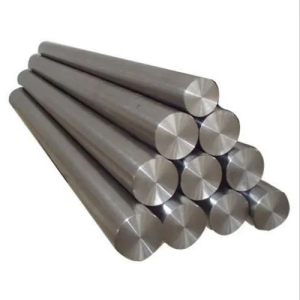
Nickel-based alloys are widely used in industries that demand high-performance materials resistant to extreme conditions such as high temperatures, corrosion, and oxidation. Among these, NIMONIC 75 BARS and NIMONIC 80 BARS are key nickel-chromium alloys. They are made for high-temperature uses. Both materials are known for their strength, durability, and resistance to environmental degradation. But they vary in composition, properties and uses. This blog discusses the difference between NIMONIC 75 BARS and NIMONIC 80 BARS so that you can select the best material for your particular requirements.
Difference Between NIMONIC 75 BARS and NIMONIC 80 BARS
-
Composition and Chemical Elements
The primary difference between NIMONIC 75 BARS and NIMONIC 80 BARS is their chemical composition. While both alloys contain nickel and chromium as their base elements, the addition of other elements alters their properties.
NIMONIC 75 BARS Composition: Nickel (Ni): 70-77% Chromium (Cr): 18-21% Iron (Fe): 5% Titanium (Ti): 0.2-0.5% Carbon (C): 0.08-0.15%
NIMONIC 80 BARS Composition: Nickel (Ni): 70-80% Chromium (Cr): 18-21% Iron (Fe): 3% Titanium (Ti): 1.8-2.7% Aluminum (Al): 1.0-1.8% Carbon (C): 0.10%
Key Differences in Composition: NIMONIC 80 BARS has higher amounts of titanium and aluminum, making it stronger and more heat-resistant. NIMONIC 75 BARS has a simpler composition, making it easier to manufacture and process.
-
Mechanical and Physical Properties
The difference in composition results in varying mechanical and physical properties between NIMONIC 75 BARS and NIMONIC 80 BARS.
NIMONIC 75 BARS Properties: Melting Point: 1380-1420°C Density: 8.37 g/cm³ Yield Strength: ~275 MPa Tensile Strength: ~650 MPa Hardness: ~180 HB
NIMONIC 80 BARS Properties: Melting Point: 1320-1380°C Density: 8.20 g/cm³ Yield Strength: ~380 MPa Tensile Strength: ~900 MPa Hardness: ~250 HB
Key Differences in Properties
NIMONIC 80 BARS is stronger and harder than NIMONIC 75 BARS, making it suitable for high-stress applications. NIMONIC 75 BARS is easier to machine and work with due to its lower hardness and strength.
Corrosion and Oxidation Resistance
Both alloys resist corrosion and oxidation well. This makes them great for high-temperature environments. However, their performance varies slightly:
NIMONIC 75 BARS has medium oxidation resistance but is less resistant to creep and stress corrosion than NIMONIC 80 BARS. NIMONIC 80 BARS offers great oxidation and creep resistance. Its higher titanium and aluminum content makes it better for long-term use in high temperatures.
Applications and Uses
The choice between NIMONIC 75 BARS and NIMONIC 80 BARS depends on the application requirements.
Applications of NIMONIC 75 BARS:
- Aerospace Industry: Used in jet engine components, afterburners, and turbine blades, as it is moderate to high temperatures.
- Heat Treatment Equipment: Ideal for annealing boxes, heat exchanger tubing, and furnace parts due to its excellent oxidation resistance.
- Chemical Processing Plants: Found in vessels, reactors, and piping systems. They need to resist oxidation and moderate corrosion.
- Nuclear Power Plants: Ideal for radiation-resistant parts like structural supports, pressure vessels, and reactor internals.
- Automotive Industry: Found in catalytic converter support systems and exhaust manifolds, ensuring durability in tough, high-heat settings.
- Gas Turbines: Used in power generation and industrial settings due to their strength against oxidation and thermal fatigue.
Applications of NIMONIC 80 BARS:
- Aerospace and Aviation: Utilized in jet engine turbine blades, combustors and exhaust systems where high strength and heat resistance are demanded.
- Automotive Industry: NIMONIC 80 BARS are used because of their high-performance vehicle engine valves and turbochargers.
- Springs and Fasteners: Utilized in extreme environments such as gas turbines, nuclear reactors, and offshore drilling platforms.
- Power Generation: Used in steam and gas turbines at power plants providing strength in high temperature and high pressure situations.
- Petrochemical and Oil & Gas Industry: Used in processing tools such as refinery furnaces, reformer tubes and cracking units.
- Medical Industry: Applications in medical devices and implants, exhibiting corrosion resistance and high strength.
- Industrial Furnace Components: Includes high-temperature furnace components, heating coils and burner nozzles.
- Machinability and Fabrication NIMONIC 75 BARS is simpler to machine because of its lower hardness and strength. It can be welded and shaped by conventional methods.
NIMONIC 80 BARS due to its increased strength and hardness, needs to be machined with special tools and techniques to avoid work hardening and tool wear.
- Cost and Availability
NIMONIC 75 BARS is generally more affordable and widely available due to its simpler composition and lower processing requirements.
NIMONIC 80 BARS is more costly but has higher mechanical and thermal properties so it is justified for demanding service.
Which One to Choose? The choice of NIMONIC 75 BARS or NIMONIC 80 BARS will depend on the unique requirements of your project:
- If you need an affordable, easy-to-machine alloy with satisfactory resistance to high temperature, NIMONIC 75 BARS is appropriate.
- If your application demands higher strength, superior oxidation resistance, and durability in extreme conditions, NIMONIC 80 BARS is the better option.
Both NIMONIC 75 BARS and NIMONIC 80 BARS are crucial in high-performance applications guaranteeing reliability and efficiency in critical environments. Understanding their differences will enable you to make an informed decision based on your particular engineering needs.